
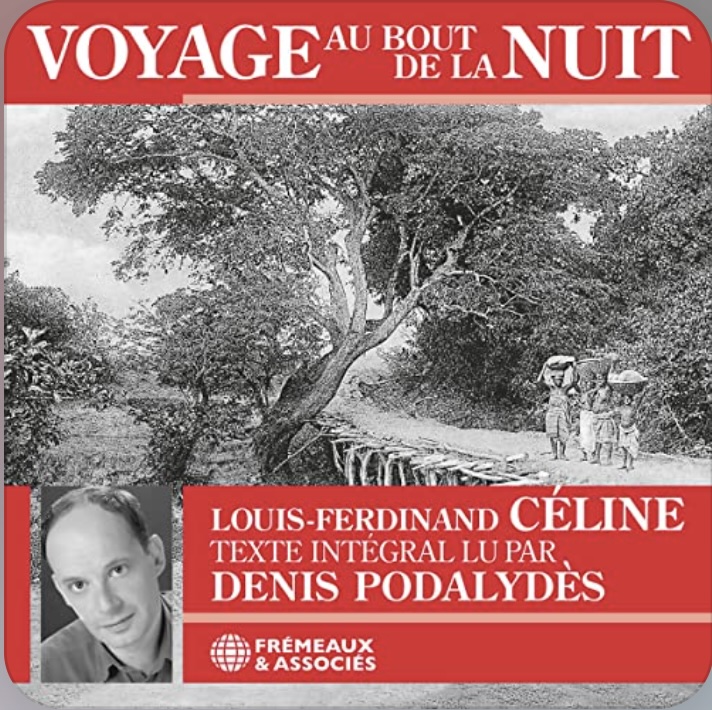
Journey to the End of the Night (Voyage au bout de la nuit), by Louis-Ferdinand Céline, read unabridged by Denis Podalydès.
Order the 16-CD set from Frémeaux & Associés
This is a sponsored link. If you make a purchase through it, Éditions Las Casitas may earn a commission at no additional cost to you.
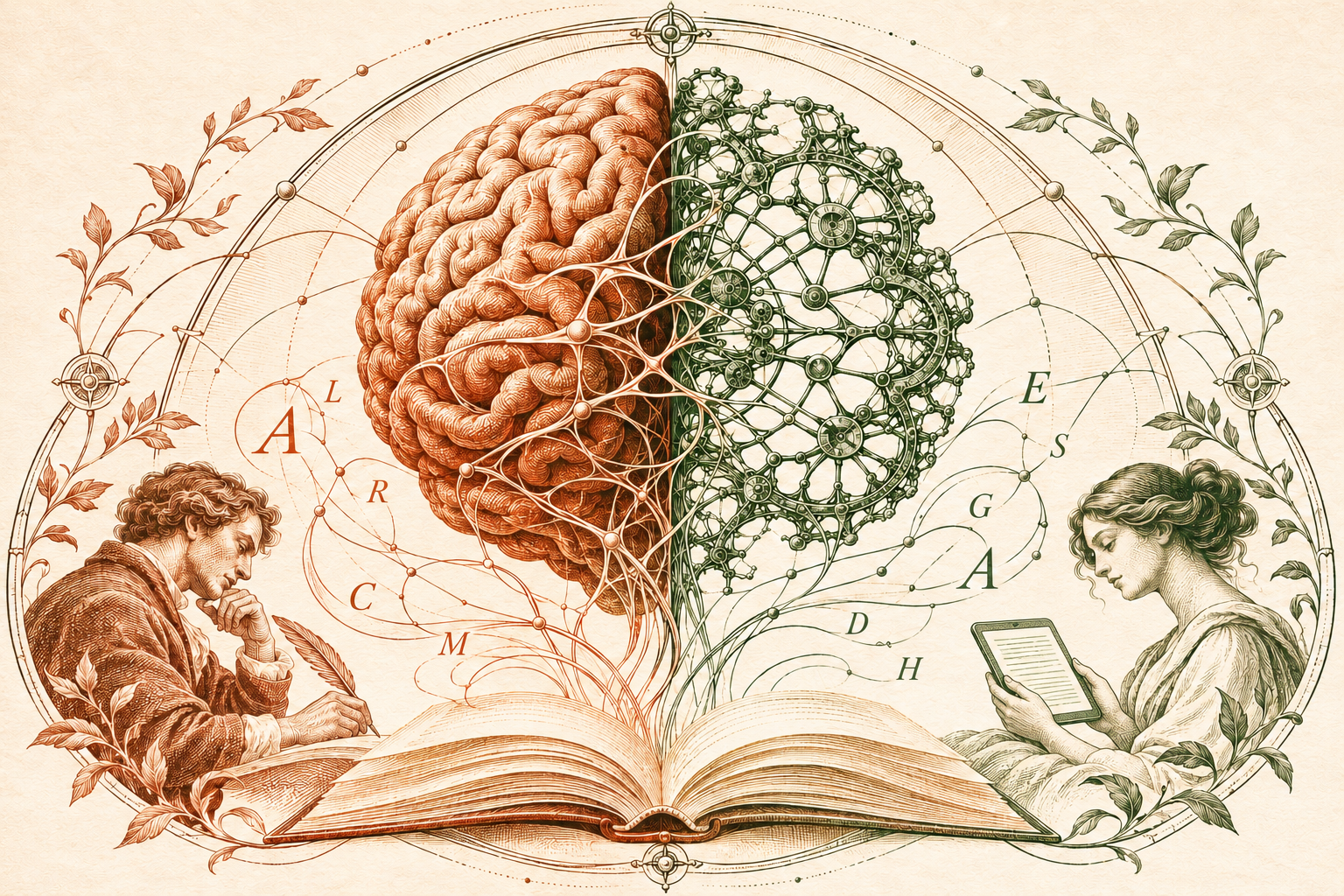
Some books draw us in the moment we open them. Others resist us. Louis-Ferdinand Céline’s Journey to the End of the Night belongs to the second group. The story is not particularly complicated, but the writing asks an unusual effort of the reader. A Céline sentence seems to speak, hesitate, speed up, break off, then start again. Everyday vocabulary, slang, disruptions of syntax, repetitions and ellipses create a deeply oral language. Reading silently, we have to do much more than understand the words. We have to find for ourselves the rhythm, the breaths and the intonations the writer has placed behind them. That is exactly what can make the novel hard to read. It is also what makes it wonderful to listen to. Denis Podalydès’s unabridged performance makes a particularly persuasive case for hearing certain texts before reading them.
A text written for the ear as much as the eye
Much of Céline’s difficulty comes from a contradiction. The text is written, but it is always trying to create the impression of speech. It begins:
“That’s how it started.” (“Ça a débuté comme ça.”)
It is a simple sentence, yet there is already a voice in it. How should it sound? Detached? Weary? Like a confidence? Like the beginning of a long story we are about to tell someone? The reader has to decide. And that difficulty repeats itself for hundreds of pages. In Céline, punctuation organizes breathing as well as grammar. The sentences fracture, rebound and break off. Slang and everyday French sit alongside carefully crafted images. The language is literary, shaped to make us feel that someone is speaking directly to us. When a gifted actor takes on that spoken quality, some of the difficulty falls away. Sometimes the ear immediately grasps what the eye struggled to put together.
Denis Podalydès supplies the rhythm the reader is looking for
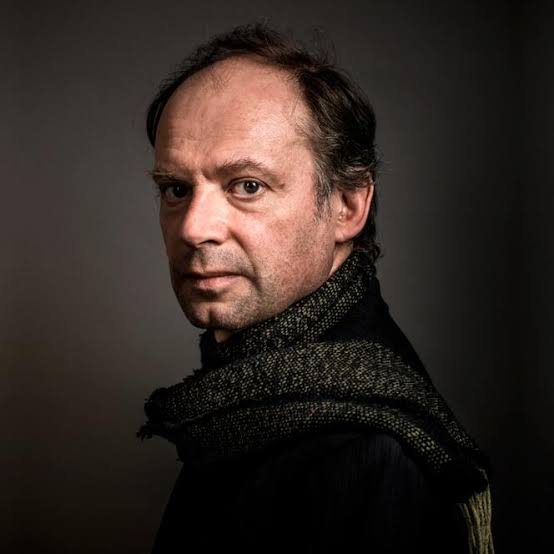
Denis Podalydès has just the qualities this writing calls for. An actor, stage director and full member of the Comédie-Française since 2000, he has worked with major texts from the French and international repertoires. His craft depends in part on an essential ability: making a sentence heard and finding its breath, its silences, its rhythm and its intention. In Journey to the End of the Night, he does not turn Céline into a spectacle or keep reminding us that he is acting. He simply gives the sentence the breathing room it needs. The characters become easier to tell apart. The irony emerges. The dark humor comes through. Lines we might have read too quickly suddenly take on a different meaning. The singing of La Marseillaise on the ship is a good example. On the page, we know it is a song. In the recording, it actually breaks out in Podalydès’s voice. In a few seconds the scene changes. We hear the incongruity, the grotesque, the movement of the crowd and the irony. The actor has not added a word. He has brought out what the words already held.
Listening before reading
This may be the most interesting lesson of the experience. Many of us were taught to read the book first and try the audiobook afterward, if at all. Why follow that rule? For some texts, the reverse works much better. Listening to Journey to the End of the Night first lets us learn Céline’s rhythm before having to reconstruct it for ourselves. We discover how the sentences breathe. We hear them quicken and feel their breaks more clearly. We begin to understand why some ellipses matter almost as much as the words around them. When we return to the printed text, something has changed. There is a voice in our heads. The page is no longer silent. We can begin to hear Céline while reading Céline. Listening can prepare us to read. With a difficult text, it can even be the door that finally lets us in.
When the actor becomes a guide
Perhaps this is where the audiobook is at its most interesting. The actor does more than read the book on our behalf. He guides us into it. He takes writing whose music is not immediately apparent and makes its hidden cues audible: the pauses, the breaks, the quickening, the shifts in tone. The reader then grasps something essential. Céline’s style lies as much in how the words are meant to flow as in which words he chooses. That is why Journey to the End of the Night is an almost ideal example of what a recording can bring to a literary work. It helps us hear the text more clearly without simplifying it.
Céline, Destouches and the writer’s contradiction
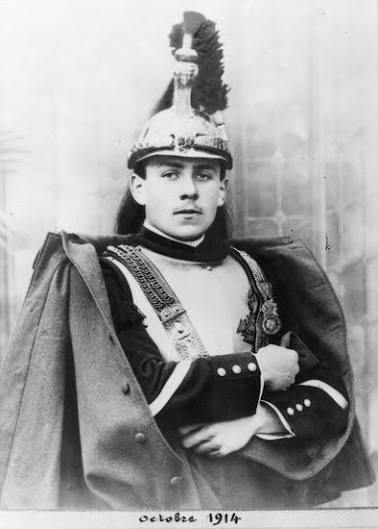
Talking about Céline today means facing a major contradiction. Louis-Ferdinand Céline was the pen name of Louis-Ferdinand Destouches. He enlisted during the First World War, was wounded in action in 1914 and was decorated. The experience of war left a deep mark on his work and partly explains the ferocity with which Journey to the End of the Night rejects military heroism. The novel appeared in 1932 and won the Prix Renaudot after missing out on the Prix Goncourt. A few years later, Céline published virulently antisemitic pamphlets. That part of his career cannot be ignored. Those polemical texts and Journey to the End of the Night are distinct works. The novel does not build its world around that ideology. Its characters are driven above all by fear, misery, selfishness, violence, absurdity and the desire to survive. Making the distinction allows us to place each work in its own time and examine what it actually contains, without erasing the writer’s responsibility.
An especially rewarding experience for advanced learners
For someone learning French, Journey to the End of the Night remains demanding. It is poorly suited to beginners or intermediate learners. For a learner at C1 or C2, however, listening to Podalydès while following the text can be a richly rewarding exercise. You hear how words group together, where the pauses fall, how the intonation shifts and the pace quickens, and what breathing contributes. Above all, you discover something important about language. Understanding every word in a sentence does not always mean you grasp the sentence straightaway. Rhythm and intonation carry meaning too. Here, the audiobook gives you a way into a work of literature and teaches you to listen to French more closely.
Read or listen?
With some books, setting one against the other makes little sense. What matters is finding the best way into the work. For Journey to the End of the Night, that way in may be Denis Podalydès’s voice. There are two voices here. First comes the writer’s. Céline builds a language that strains to get off the page and recover the speech, breath, interruptions, anger, irony and music of spoken French. Then comes the actor’s voice. Podalydès gives the writer’s voice a body. We hear the voice the writer had shut inside the writing. When we pick the book up again, that voice stays with us. This may be one of the finest promises of literature in audio: it can make a difficult text accessible without ever making it simpler. Listen first. Hear the rhythm and the music. Then go back to the words. Some writers may need to be heard before we can truly read them. Céline is surely one of them.
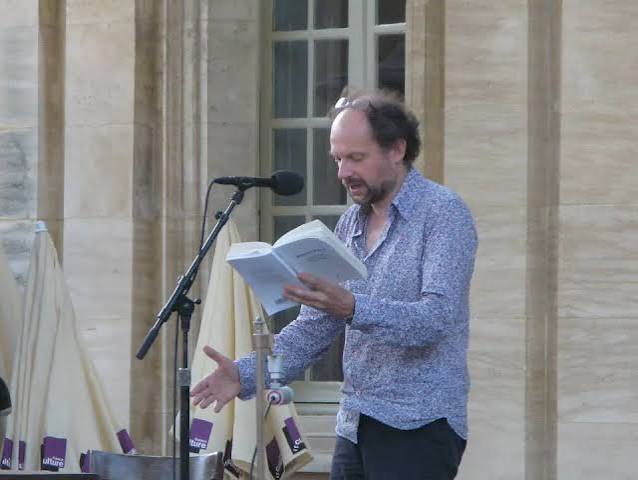
Journey to the End of the Night (Voyage au bout de la nuit), by Louis-Ferdinand Céline, read unabridged by Denis Podalydès.