
Chapter 1
Literature and technology: a history of transformations
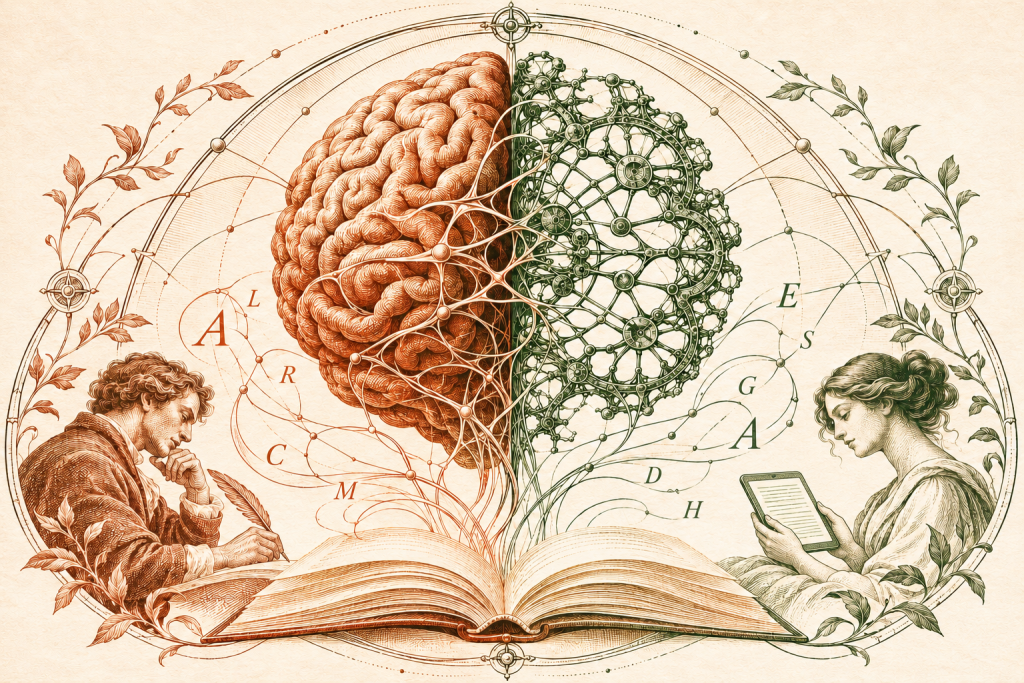
In debates about artificial intelligence, literature is sometimes treated as an art that long lived sheltered from machines. The image of the writer alone before the page is an appealing one, provided we do not look too closely at the paper, the lamp that lights it or the press that will print the book. Each of these tools changed something in the way we write or read. Before the page, there is the voice. The storyteller draws out a silence or cuts an episode short according to the audience’s reactions. Writing allows a story to reach strangers and to cross generations. The reader can pause and go back over a sentence. The author must now make heard in words what the storyteller entrusted to a gesture or to the tone of the voice.
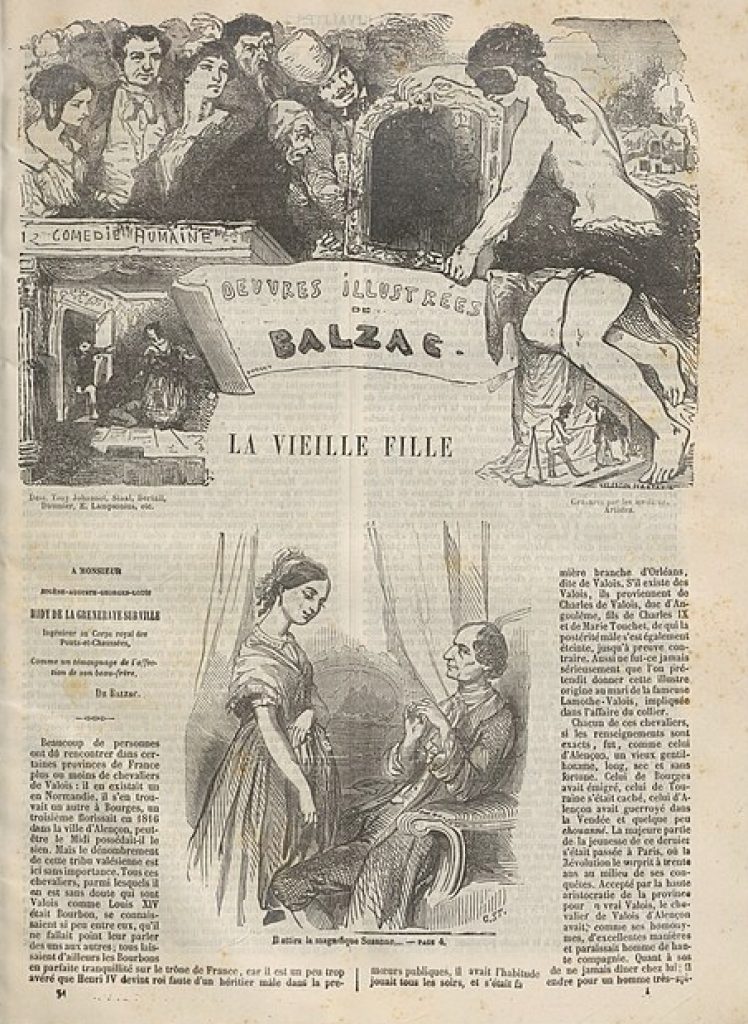
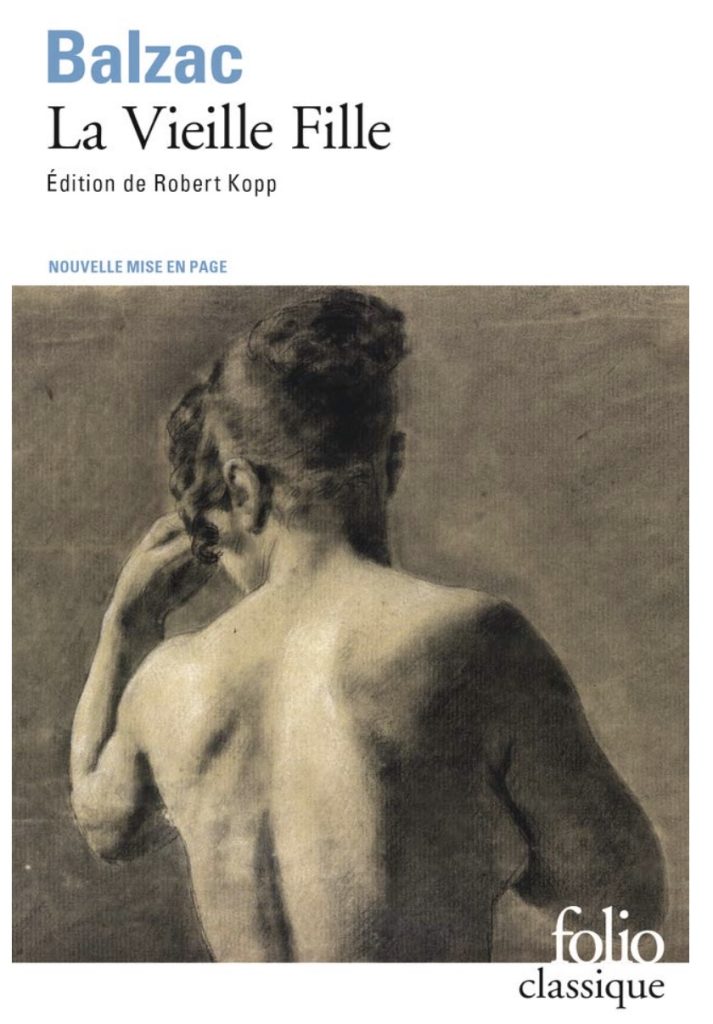
Paper widens what writing can do. The notebook captures a sentence overheard in the street, the loose sheet lets a scene be moved, the margin welcomes a late retort. Printing multiplies copies and allows distant readers to discuss the same text. The paperback in turn changes the occasions for reading: the novel slips into a bag and opens for the length of a journey. The medium can even shape the story. When Honoré de Balzac’s La Vieille Fille (The Old Maid) appeared as a newspaper serial, the end of each instalment had to make readers want to buy the next issue. The rhythm of the newspaper thus entered the composition of the novel. Electricity works differently. Wherever electric light spread, reading in bed or writing after a day’s work became easier. A lamp does not change the sentence, but it can give the writer time to rework it.
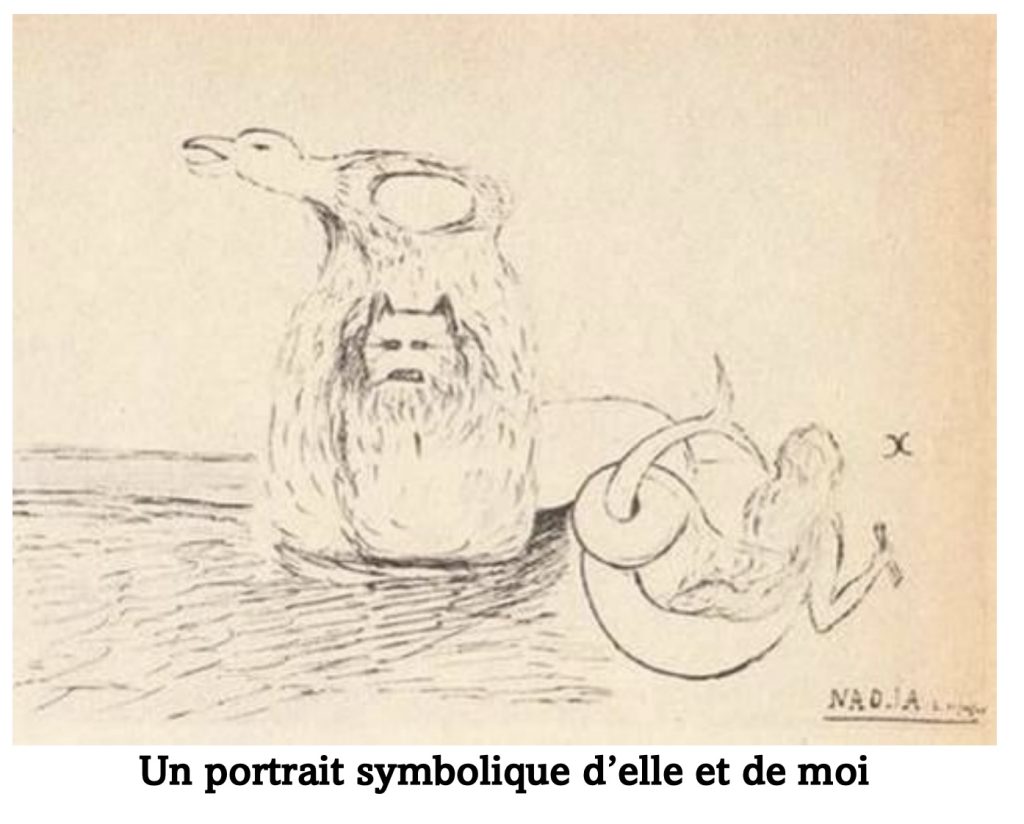
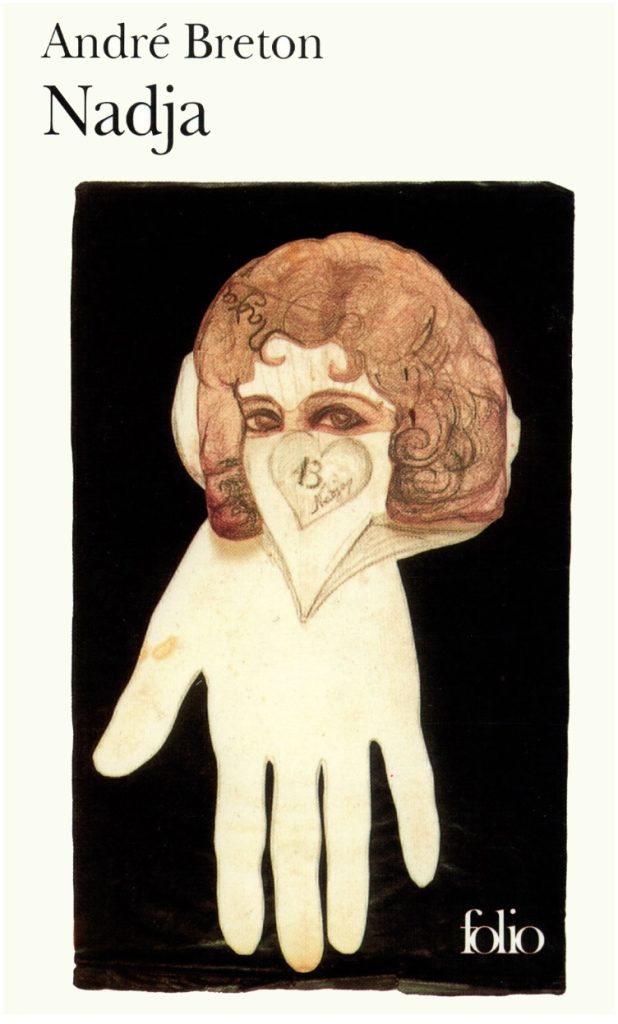
Photography and cinema in turn shift the boundaries of storytelling. In Nadja, André Breton includes photographs of places in Paris. The reader can set what they see against what the text makes them feel. Cinema borrows its plots and characters from literature. In return, film editing offers writers other ways of thinking about how one scene leads to the next. A film can also lead a viewer to a novel they would never have opened. Then the typewriter makes the manuscript more legible. With the computer, the transformation reaches the author’s workshop and opens new paths to books for the reader.
Chapter 2
From word processing to AI: how computing changed the way authors write and readers discover literature
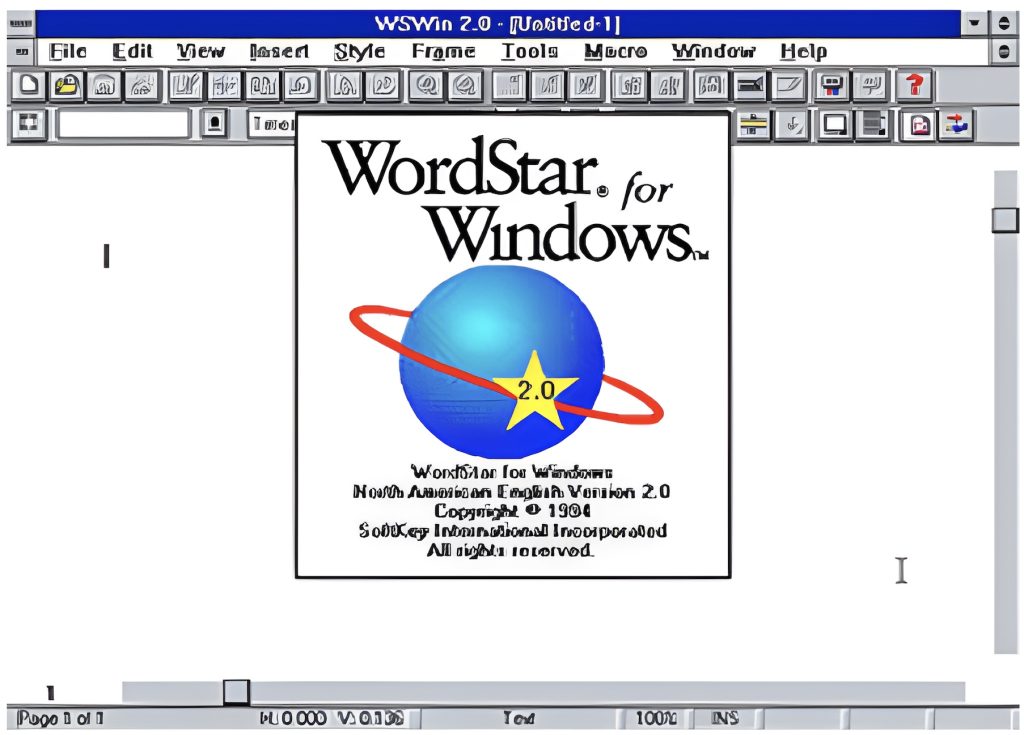
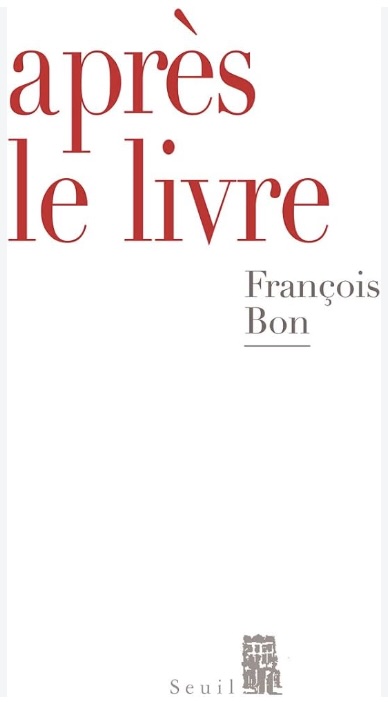
A novelist can move an entire scene without retyping the page. They can also spend the whole morning moving that scene, only to put it back where it was. Word processing has made such experiments easier. It lets you compare two openings, find every occurrence of a word or keep several versions of a chapter. In a 2014 interview with Conan O’Brien, George R. R. Martin explained why he remained loyal to WordStar, an old DOS program. He particularly liked the fact that it did not automatically correct the names he invented. The computer has also changed the path that leads to the reader. In Après le livre (“After the Book”), François Bon reflects on what digital technology does to writing and reading. His own website, Le Tiers Livre, offers an example. You can enter through one text, follow a link to another and discover an author along the way. Where a table of contents sets out a route, a link lets the reader branch off. On the writer’s side, publishing on the web makes it possible to share a fragment before even knowing whether it will find its place in a book.
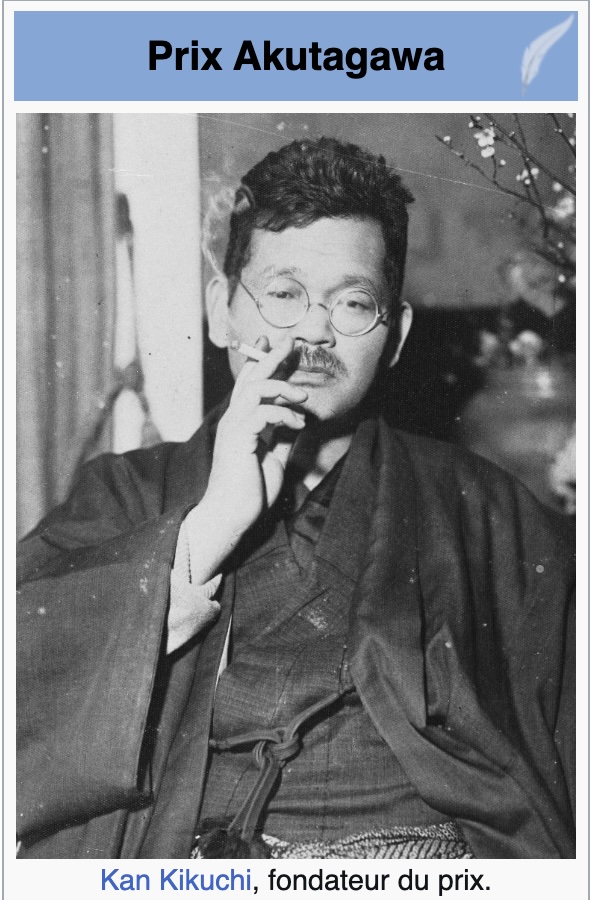
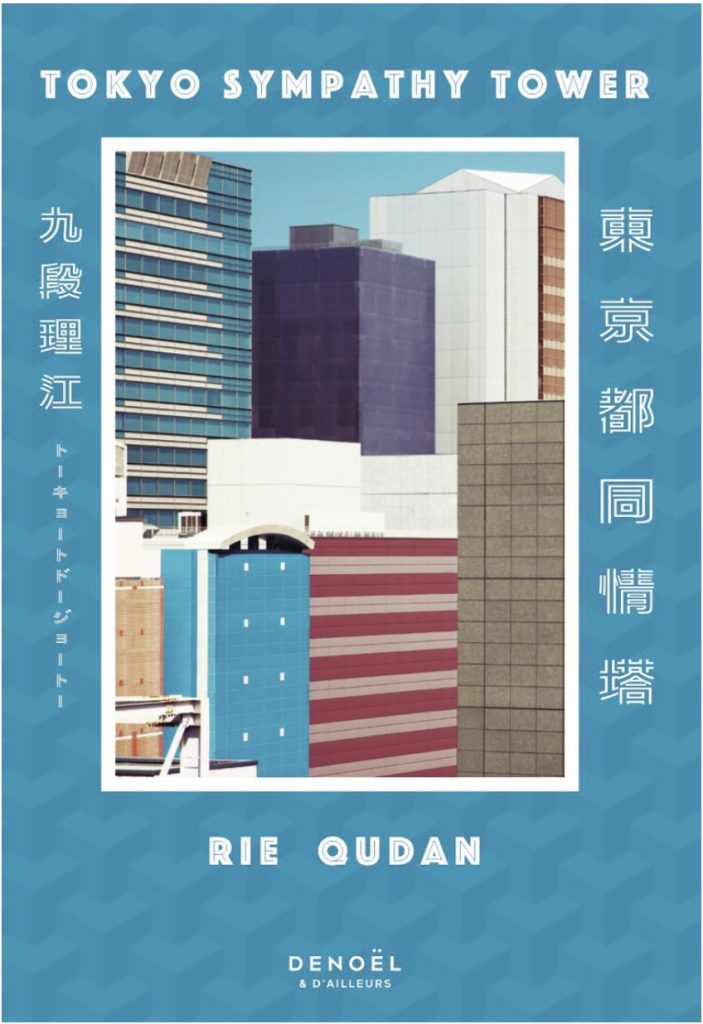
With generative AI, software can now supply sentences that end up in the work itself. After receiving the Akutagawa Prize in 2024 for Tokyo Sympathy Tower, Rie Kudan said she had incorporated passages produced by ChatGPT into her novel. Keiichirō Hirano, a member of the jury, stated that this posed no problem for the committee, since artificial intelligence features in the story itself. The jury had praised the quality of the novel. Including these passages was thus part of an identifiable literary approach, which the judges could assess in the work as a whole. This example invites us to look at what the author asks of the tool, and then at what they keep, transform or discard.
Once words suggested by software find their way into the book, the question of authorship arises. The history of literary scandals shows that this question long predates artificial intelligence.
Chapter 3
Literary scandals: what shocks, and why?
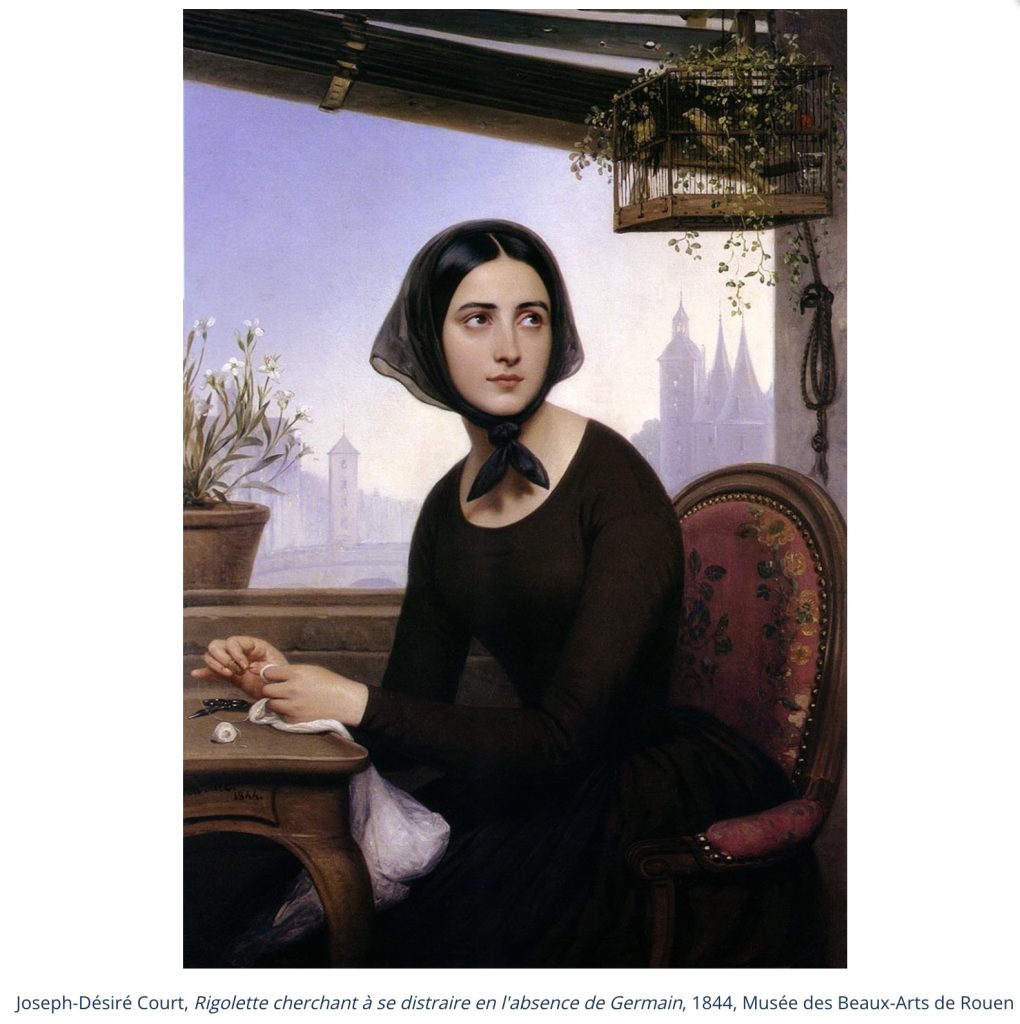
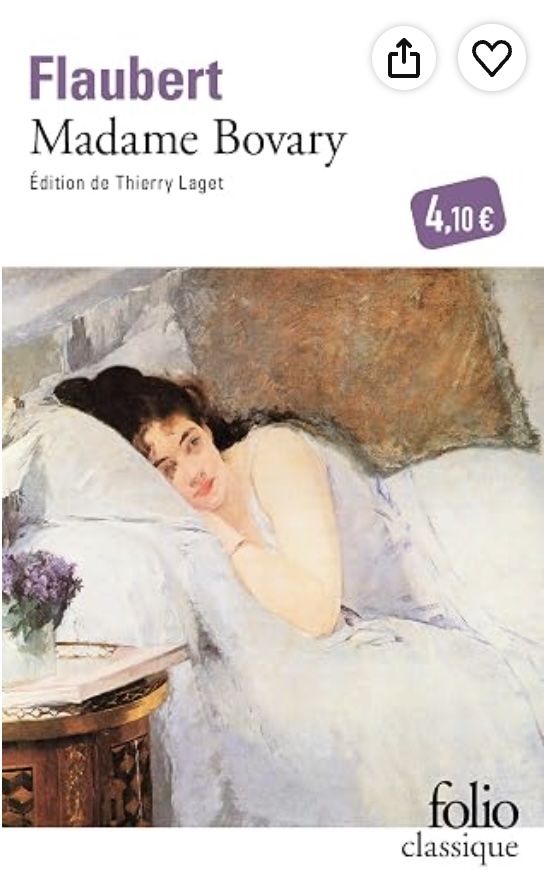
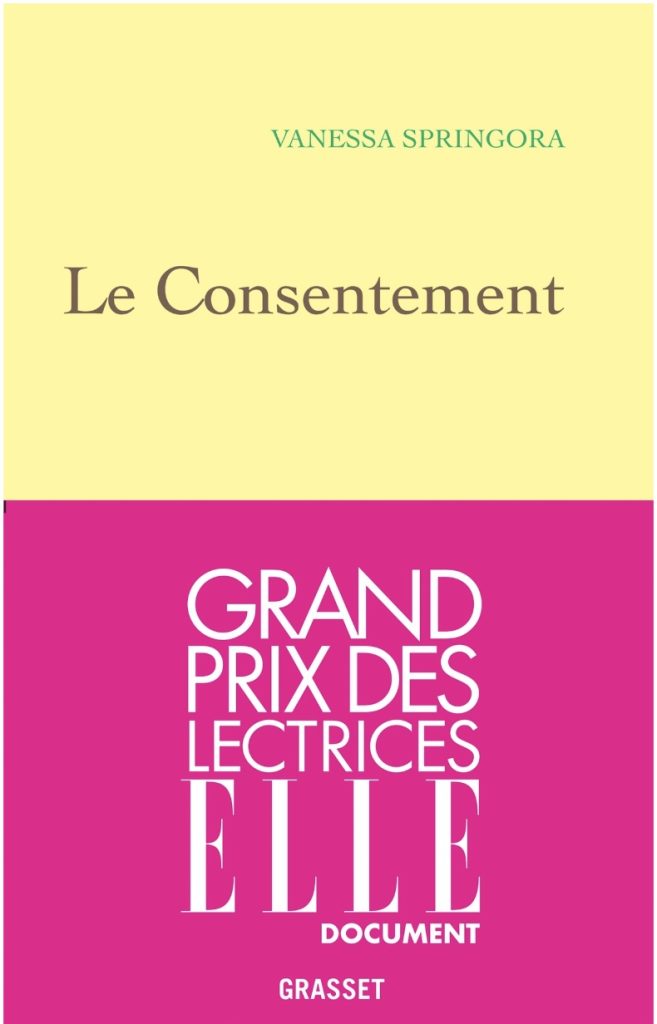
In 1857, Madame Bovary earned Flaubert a trial for offending public and religious morals. The writer was acquitted. What disturbed people at the time was that a novel could tell of a woman’s adultery without imposing a clear condemnation on the reader. In 2020, with Le Consentement (Consent), the scandal changed sides. Vanessa Springora recounts the hold the writer Gabriel Matzneff had over her when she was a teenager. The controversy concerns the acts she describes and the indulgence the writer long enjoyed. In the first case, the book was accused of offending morality. In the second, the book forced a whole milieu to look at what it had tolerated for years.
Other scandals arise from the relationship between literature and power. In 1973, The Gulag Archipelago was published in Paris, in Russian. Aleksandr Solzhenitsyn brought together his own experience and the testimony of others to document the Soviet camp system. In 1974, the authorities stripped him of his citizenship and expelled him. With Submission, in 2015, it was the political reach of a work of fiction that divided opinion. Michel Houellebecq imagines a Muslim party coming to power in France. Publication coincided with the attack on Charlie Hebdo, which gave the debate a tragic backdrop. Is the novel a satire of the French elite, or does it help to feed fear of Islam? The disagreement concerns how the work should be read as much as the novelist’s responsibility.
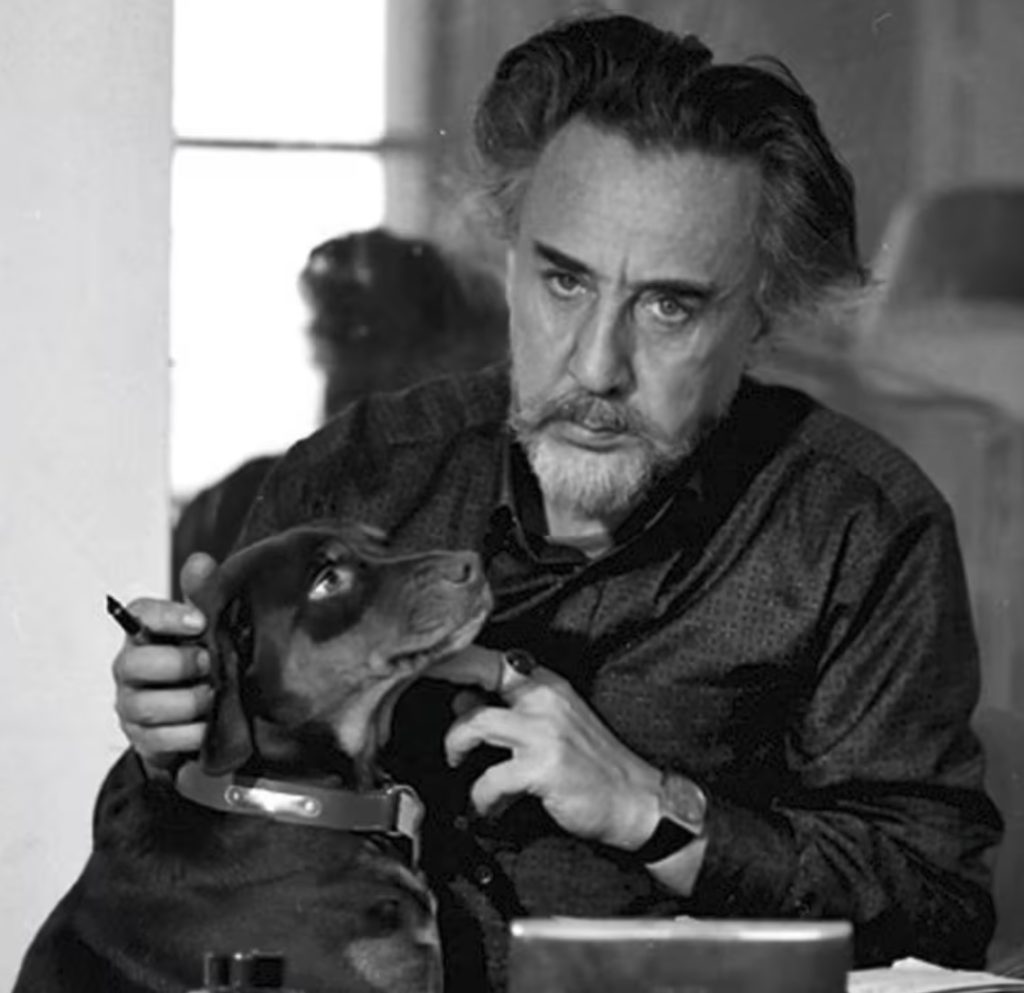
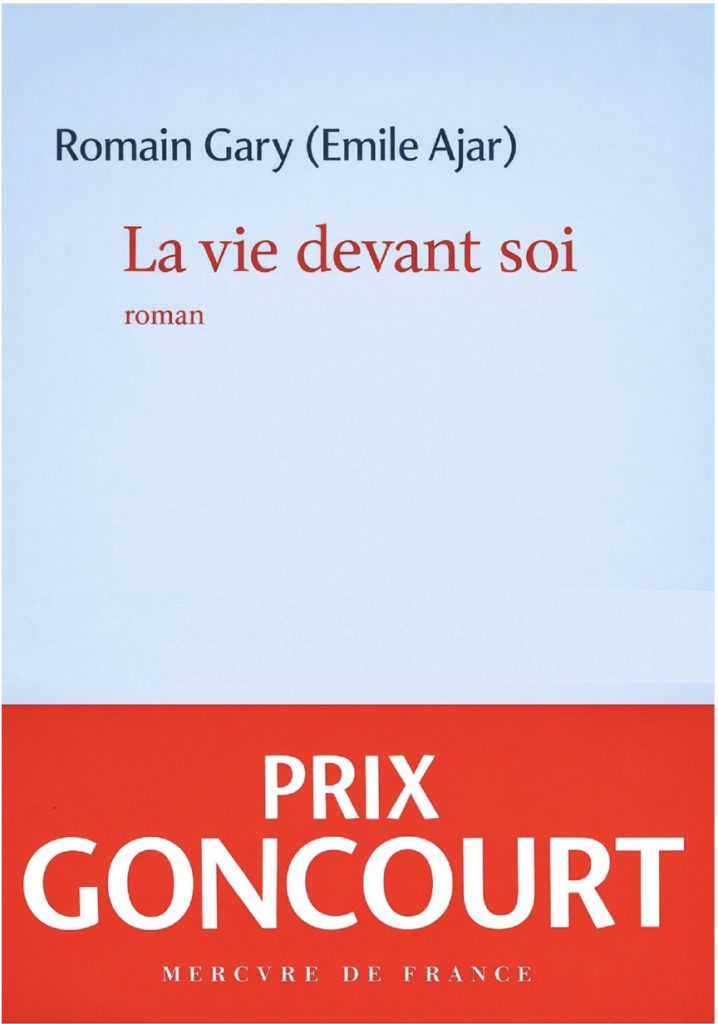
In other cases, the controversy stems from a very simple question: who actually wrote the book? In 1975, La Vie devant soi (The Life Before Us) won the Goncourt for Émile Ajar, a pseudonym of Romain Gary, who had already won the prize under his own name. Paul Pavlowitch played the part of Ajar in public. The posthumous revelation of the hoax shows how far a name can shape the way a work is received. The case of Paul-Loup Sulitzer raises the question of how literary work is shared. Several novels published under his name were written with the collaboration of Louis-André Durand, known by the pen name Loup Durand. Behind the old French term nègre littéraire, now replaced by prête-plume (ghostwriter), lies the question of the credit given to the person who actually writes. Gary concealed his identity as an author. In the Sulitzer case, the debate is about the division of labour behind the signature.
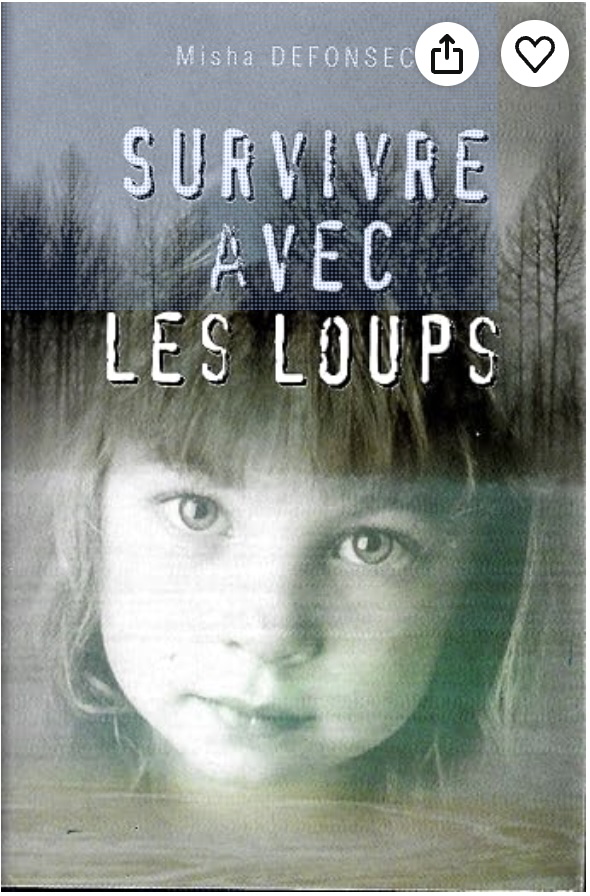
With Survivre avec les loups (Misha: A Mémoire of the Holocaust Years), the affair touches on the truth promised to the reader. Published in 1997 as an autobiographical account, the book tells the story of a young Jewish girl who crossed war-torn Europe and supposedly found refuge with wolves. In 2008, Misha Defonseca admitted that she had made the story up. What readers believed they were receiving as testimony about the Holocaust was fiction. The words of the book had not changed. The promise under which they had been read had.
These cases provide reference points for debating AI in literature. Correcting a sentence, reworking a generated passage and hiding who wrote most of a book involve different responsibilities. These precedents shed light on the debate about what an author may delegate and what they owe the reader.
Chapter 4
Literature and AI: under what conditions
is cooperation possible?
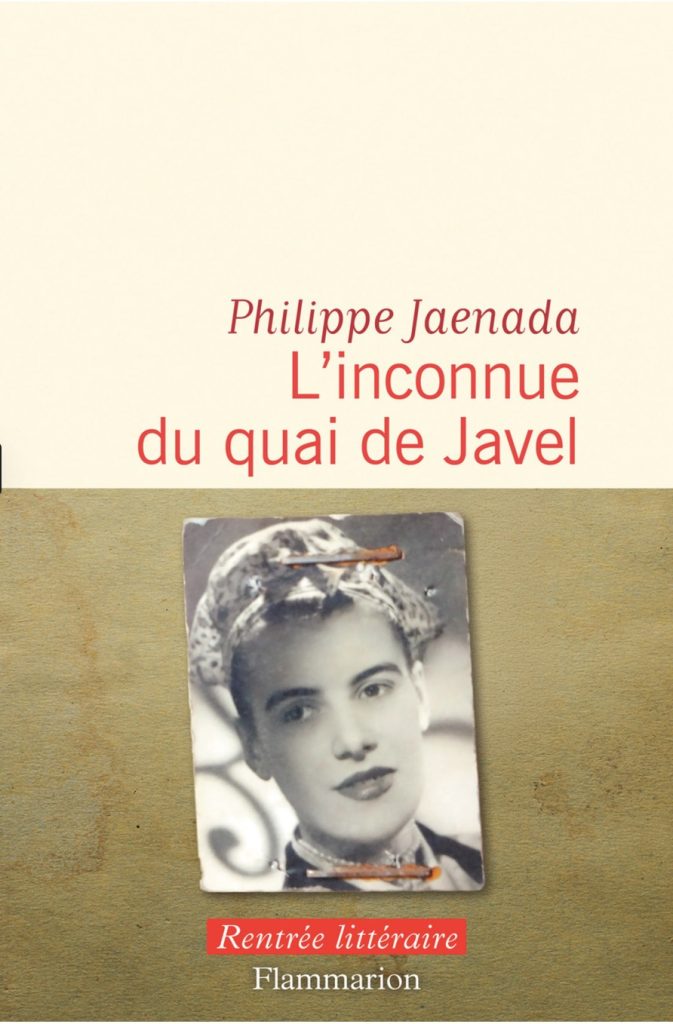
A sentence written by ChatGPT is hidden in the novel that won the 2026 Goncourt. On 4 November, the day after receiving the prize for L’Inconnue du quai de Javel, Philippe Jaenada told France Inter that he had slipped it into his book to play a game with his readers. He says he told the jury which sentence it was. He also mentions two other uses of ChatGPT: for technical research, and to poke fun at answers he found absurd. His account shows how much a precise disclosure can tell us about an author’s work. A few weeks earlier, the withdrawal of C’était ça ou mourir from the Goncourt selection had put the alleged use of AI at the heart of the controversy. That same year, another prize chose to openly encourage collaboration between author and machine. The Prix Pascal de Littérature IA, launched in 2026, rewards a work co-written with an AI. Candidates must explain their intentions and the tools they used. Informed of the method, the jury assesses the literary quality of the text. This transparency towards the jury has yet to be extended to readers.
Music generated by artificial intelligence has already become a market. Suno, which lets anyone create a song from a few instructions, reported more than two million paying subscribers in early 2026 and annualised revenue of 300 million dollars. To the ear, the line is less clear-cut than in public debate. In a test carried out by Ipsos for Deezer, 97% of participants failed to identify correctly the origin of the three tracks they heard. The survey also points to a demand for transparency about fully generated tracks. The Beatles illustrate another use. For Now and Then, released in 2023, a machine-learning tool made it possible to isolate John Lennon’s voice on an old demo. Paul McCartney and Ringo Starr recorded new parts around this recovered voice. Here, the tool served to isolate an existing performance around which the musicians built the final version. In music, an AI-generated track can find its audience without its origin causing a scandal comparable to those in literature. Listeners can enjoy a melody or a voice for what it makes them feel. Debates do exist, however, notably over artists’ rights and the transparency of streaming platforms.

In literature, cooperation is possible if authors stay in control of their choices and can explain what they have delegated. For some dyslexic writers, having errors flagged in a draft can free up attention for the story. For a translator, comparing several versions of a dialogue can help find the right tone, provided the fluency of the suggestions does not erase the strangeness of the original. When generated passages find their way into a book, a precise statement of their role says more than a simple “made with AI” label. The publisher can set out in a few lines the nature and extent of that contribution.
Chapter 5
C’était ça ou mourir: what lies behind our pleasure in reading?
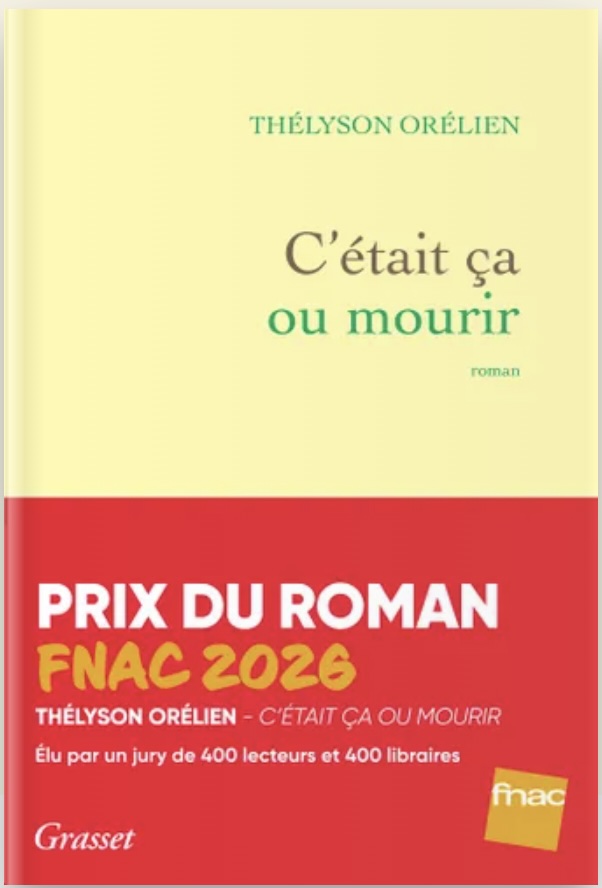
Jonas Dorléon leaves Port-au-Prince with a diploma, a notebook of poems and a photograph of his mother. Three objects to carry a whole life. In C’était ça ou mourir (“It Was That or Die”), his first novel published in France, by Grasset in August 2026, the Quebec writer of Haitian origin Thélyson Orélien follows this history teacher as he crosses the Americas in the hope of reaching Canada. These objects immediately give a sense of the life Jonas is leaving behind. When he finds himself facing the agents at the border, the reader already knows him well enough to fear for him. The story loses a little of its momentum halfway through, but the urge to know whether Jonas will reach Canada remains.
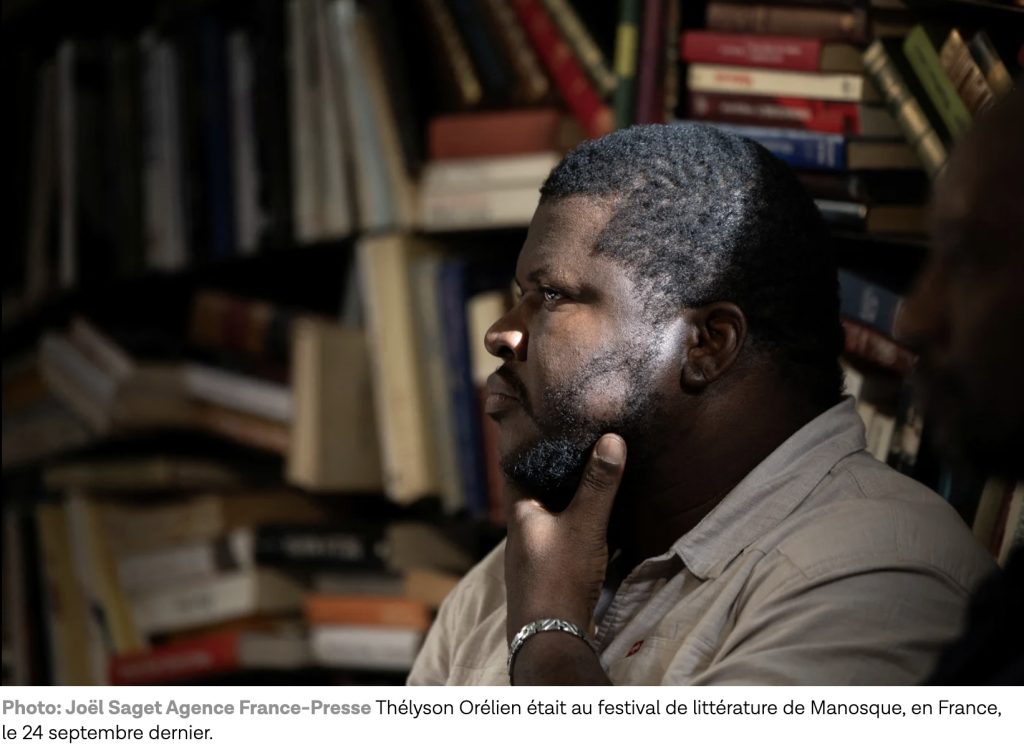
In September, the book won the Fnac novel prize, awarded by a jury of booksellers and members of the retail chain. On the book’s page, the published reviews are mostly favourable. One reader praises the blend of poetry and humour at the heart of tragedy. Another wonders about the authenticity of a prose whose refinement he nonetheless acknowledges. These reactions offer two ways into the same book. The first focuses on what the story makes us feel. The second asks where the voice producing that effect comes from. A few days after the Fnac prize was announced, the Académie Goncourt removed the novel from its first selection. It cited instances of plagiarism that it attributes to the author, and analyses which, in its view, indicate that the book was very largely produced by artificial intelligence. The two charges concern separate questions. One relates to the appropriation of other people’s work. The other concerns how much of the writing was handed over to a machine.

Discovering the novel because of the controversy and learning of the suspicions after the last page are two different experiences. In the first case, doubt accompanies the reading. In the second, the news arrives once the story has already had its effect. It may change the credit readers give to the signature, or make them want to reread a passage. It cannot erase the memory of a scene that kept them on the edge of their seat. One can love a book and want to know how it was written — and, conversely, do we really want to know how sausages are made before eating them? The pleasure of reading lies in the experience of the text. Trust, however, also depends on what the author and the publisher have let readers believe about how it was made.
Chapter 6
What place do we want to give AI in literature?
Before artificial intelligence suggests a sentence, someone asks it to write one. This request, known as a prompt, may be a few words long or contain an entire project. Between “write a departure scene” and “tell this departure from the point of view of a child who believes his mother will be back that very evening”, the difference is already a literary one. Someone has chosen a point of view, limited what the character knows and decided that the reader would grasp what escapes the child. Part of the writing begins before the machine even replies. Behind that reply, there are other human beings too. Saying that an AI has “read” books is a figure of speech. By learning from vast quantities of texts written by people, it has learnt to spot patterns and to produce sentences in turn. There is therefore human work on both sides of the reply. Upstream, that of the people whose texts were used for training. In the workshop, that of the author who frames the request, examines the suggestions and reworks whatever deserves it. Recognising the latter also means asking questions about the place, consent and remuneration of the former.
Not every prompt represents the same amount of work. Asking for a novel in one line and accepting the result involves few choices. Building a plot, trying out several voices, cutting a scene that works but rings false, reworking a dialogue until it sounds right: these are the decisions that give a book its shape. Yet a fluent suggestion can erase a turn of phrase the writer wanted to keep. Someone is still needed to hear the difference. A precise statement about the role of AI gives readers the means to understand what the signature commits to. The place of AI in literature is therefore decided in the author’s workshop, at the moment they choose what to entrust to it, what to rework and which sentences they are finally willing to sign.
By Frédéric Veau, the person behind the AI (ChatGPT)
Books mentioned


As an Amazon Associate I earn from qualifying purchases.